

Tobago – Trinidad and Tobago
About
Tobago is one of the easiest Caribbean islands for bird photography. Travel around the island is simple, habitats change quickly, and many species are comfortable around people. You can photograph forest birds in the morning, wetland species by midday, and coastal birds by sunset, all without rushing.
The Main Ridge Forest Reserve is the core birding location on the island and the best place for forest species. Early morning offers the best light and activity.
Look for Blue-backed Manakins, White-tailed Sabrewings, Rufous-breasted Hermits, and Blue-headed Parrots. Birds often stay at mid-level height, making them easier to photograph than in many mainland rainforests.
Tobago’s quiet roads are productive birding areas. Forest edge species regularly perch on wires, fences, and low branches, offering clean backgrounds and predictable behavior that can be captured even from a vehicle.
Common photography subjects include Tropical Mockingbirds, Yellow-legged Thrushes, Great Kiskadees, and Gray Kingbirds. Early morning and late afternoon provide softer light and better angles. Coastal wetlands and mangroves are best visited mid-morning or late afternoon. These areas support a mix of resident and migratory species.
You may encounter Scarlet Ibis, Green Herons, Tricolored Herons, Snowy Egrets, and various shorebirds. Reflections and open sightlines make these locations ideal for sweeping landscape scenes instead of close-up portraits.
Birding in Tobago isn’t limited to reserves. Village gardens and flowering trees attract many species throughout the day. Bananaquits, Blue-gray Tanagers, Barred Antshrikes, and Palm Tanagers are common and often approachable. The coast is most productive in late afternoon. Brown Pelicans, terns, and shorebirds are active as the light softens. Backlighting and silhouettes work well during this time, especially near fishing areas and rocky shorelines.
Tobago works for bird photographers because the island offers high bird visibility, varied habitats, and minimal travel time between locations. It’s a destination where photography feels unhurried and accessible, making it ideal for both visiting birders and photographers looking to build a strong Caribbean portfolio.
Owen visited Tobago in October 2025
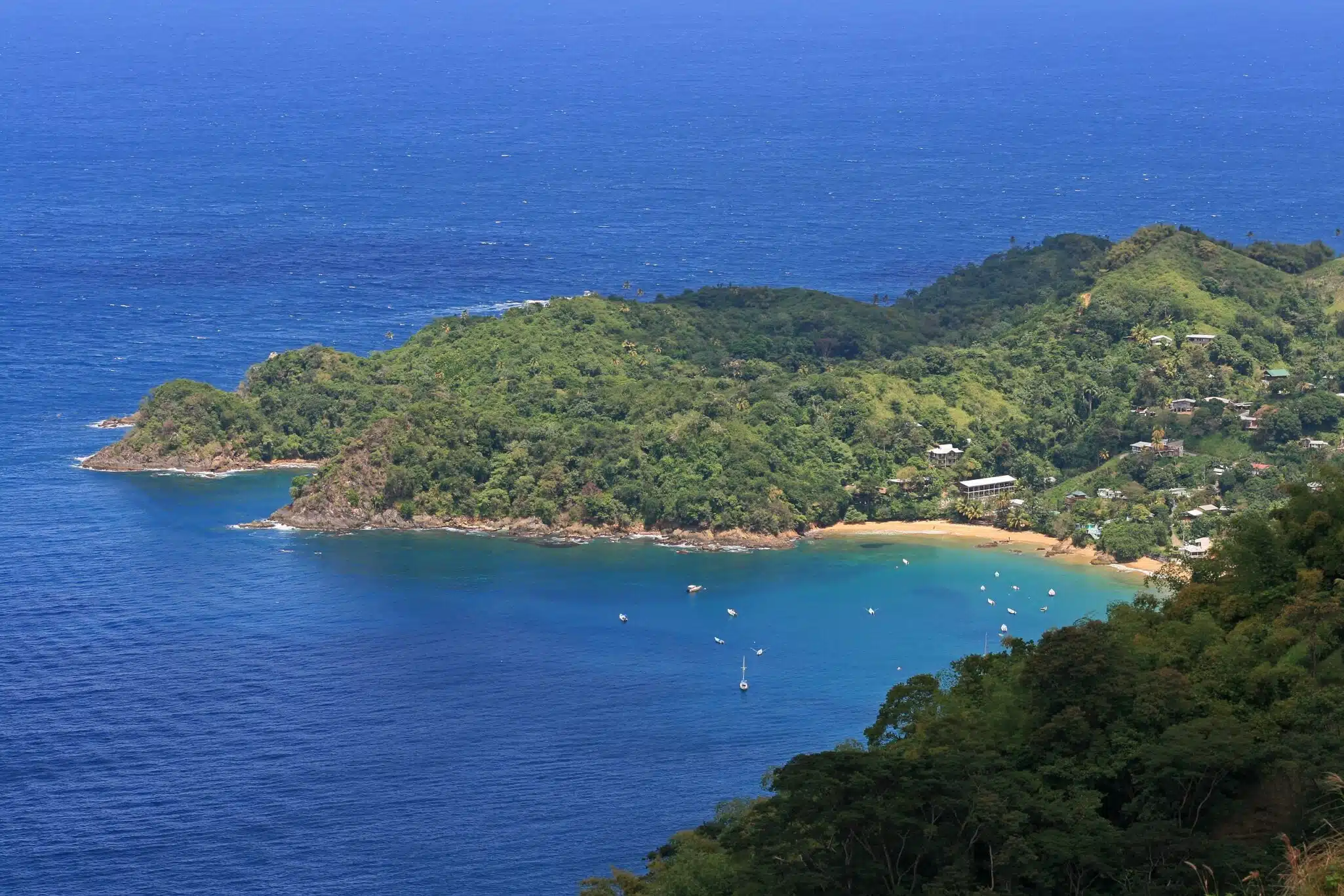
Birds found here
-
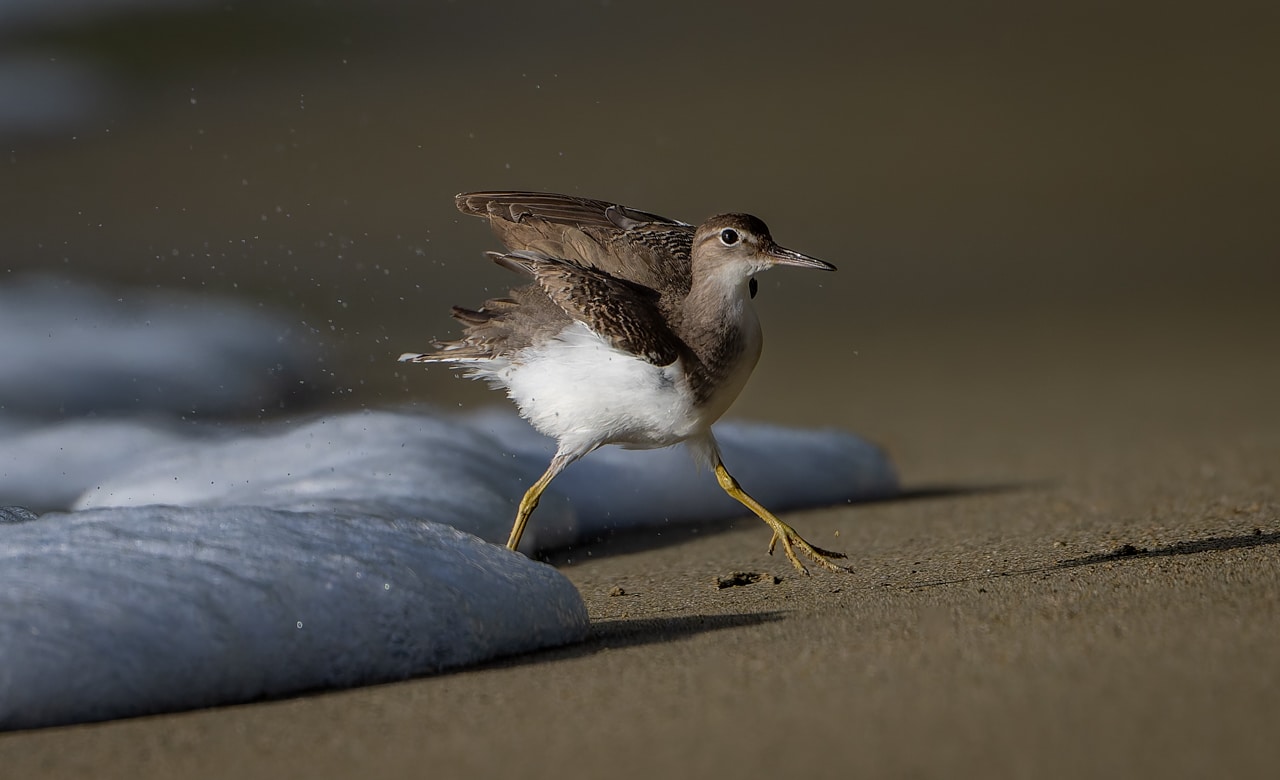
Spotted Sandpiper
Order
charadriiformesFamily
scolopacidaeGenus (Similar Species)
Scientific Name
Actitis macularius
-
Conservation Status
Least Concern
-
Visual Category
Smaller Waders -
Birding Sites and Lodges
Tobago - Trinidad and Tobago
BIRD CALLS
 Spotted Sandpiper
-
-

Western Cattle Egret
Order
pelecaniformesFamily
ardeidaeGenus (Similar Species)
Scientific Name
Bubulcus ibis
-
Conservation Status
Least Concern
-
Visual Category
Long-legged Waders -
Birding Sites and Lodges
Tobago - Trinidad and Tobago
BIRD CALLS
Western Cattle Egret
-
-

Tropical Kingbird
Order
passeriformesFamily
tyrannidaeGenus (Similar Species)
Scientific Name
Tyrannus melancholicus
-
Conservation Status
Least Concern
-
Visual Category
Passerine (Perching) Birds -
Birding Sites and Lodges
Tobago - Trinidad and Tobago
BIRD CALLS
Tropical Kingbird
-
-
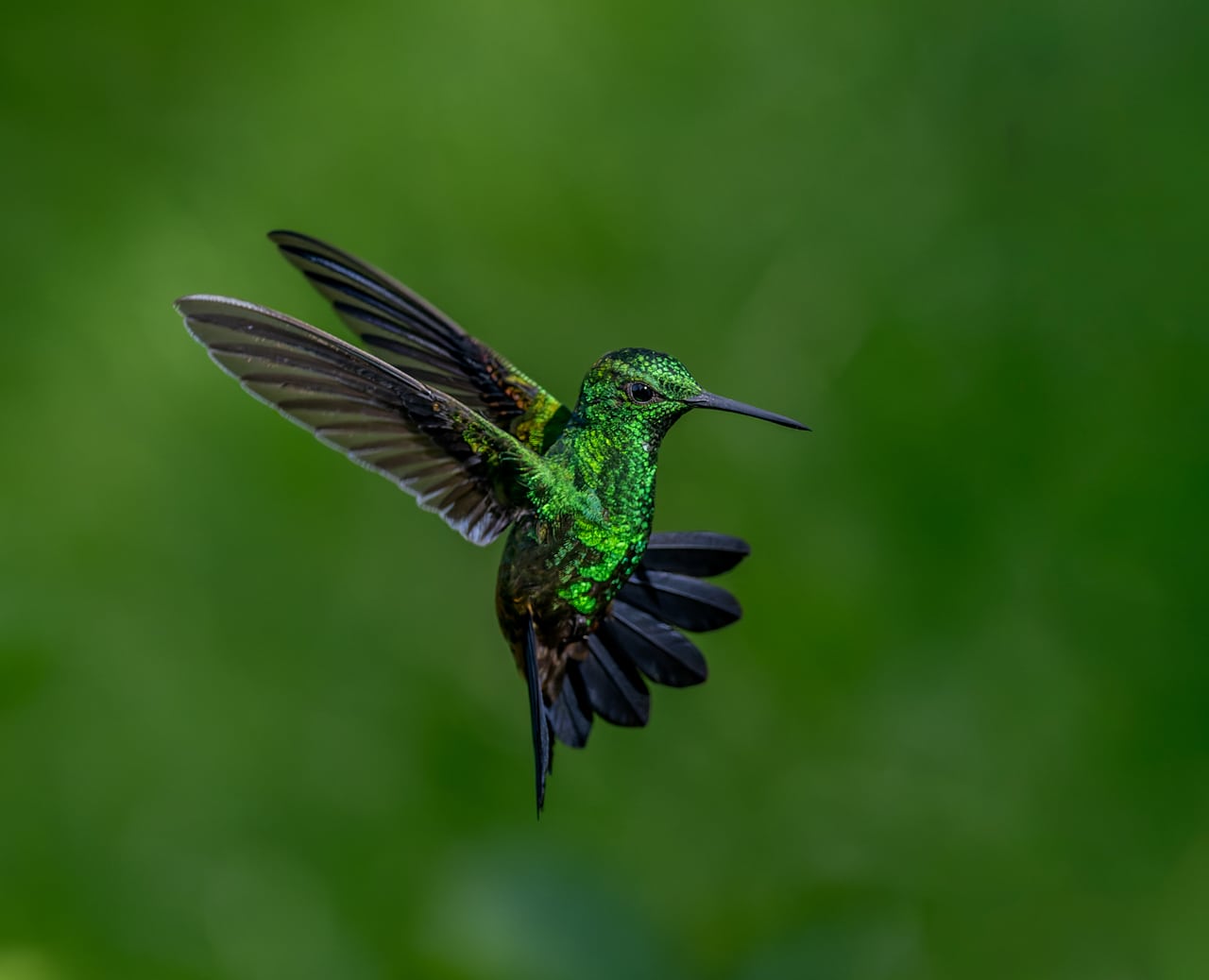
Copper-rumped Hummingbird
Order
apodiformesFamily
trochilidaeGenus (Similar Species)
Scientific Name
Saucerottia tobaci
-
Conservation Status
Least Concern
Age
adult
-
Visual Category
Passerine (Perching) Birds -
Activity
flight
BIRD CALLS
Copper-rumped Hummingbird
-
-
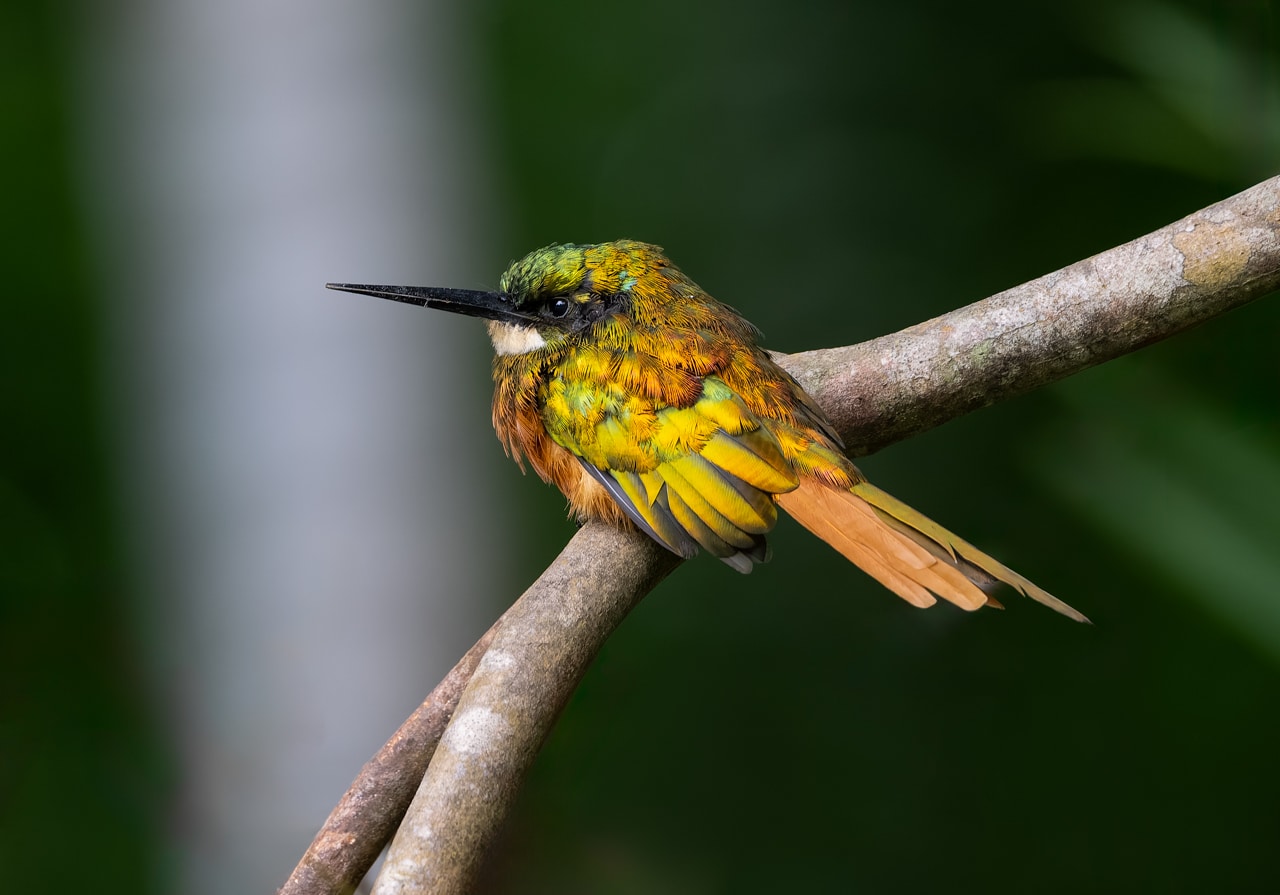
Rufous-tailed Jacamar
Order
piciformesFamily
galbulidaeGenus (Similar Species)
Scientific Name
Galbula ruficauda
-
Conservation Status
Least Concern
Gender
female
-
Visual Category
Passerine (Perching) Birds -
Birding Sites and Lodges
Tobago - Trinidad and Tobago
BIRD CALLS
Rufous-tailed Jacamar
-


