

Kwando Lebala – Botswana
About
Kwando Lebala Camp is set within the 232,000-hectare private wilderness of the Kwando Concession. Lebala sits on the edge of open floodplains that seem designed for bird photography. The word Lebala means “wide open spaces,” and for birders, that openness is an advantage. You can see the silhouettes of birds coming from far off, such as raptors hovering low searching for prey, and cranes floating through the sky at dawn.
From a photography standpoint, Lebala’s magic is space. The floodplains allow clean backgrounds and unobstructed sightlines, ideal for birds in flight. Carmine Bee-eaters flash red along the sandy banks. And because the concession is private, vehicles can position thoughtfully with no crowds causing disruption. Just patience and light.
Lebala is raptor country. The open terrain makes it one of the best places in northern Botswana to photograph birds of prey. Tawny Eagles and Martial Eagles scan prey from high vantage points. During dry months, the floodplains become hunting grounds where you can photograph the tension before the strike.
If you visit during the green season (November-April), everything changes. The grasses grow taller. The sky grows theatrical when migrants arrive. Carmine Bee-eaters cluster in breeding colonies, offering some of the most dynamic flight photography in southern Africa. Lilac-breasted Rollers glow almost unreal against storm-lit backdrops.
Lebala’s tents overlook the plains, and birding doesn’t stop when the vehicle does. Woodland species move through the camp. Most notably, the wood-hoopoes, hornbills, and glossy starlings.
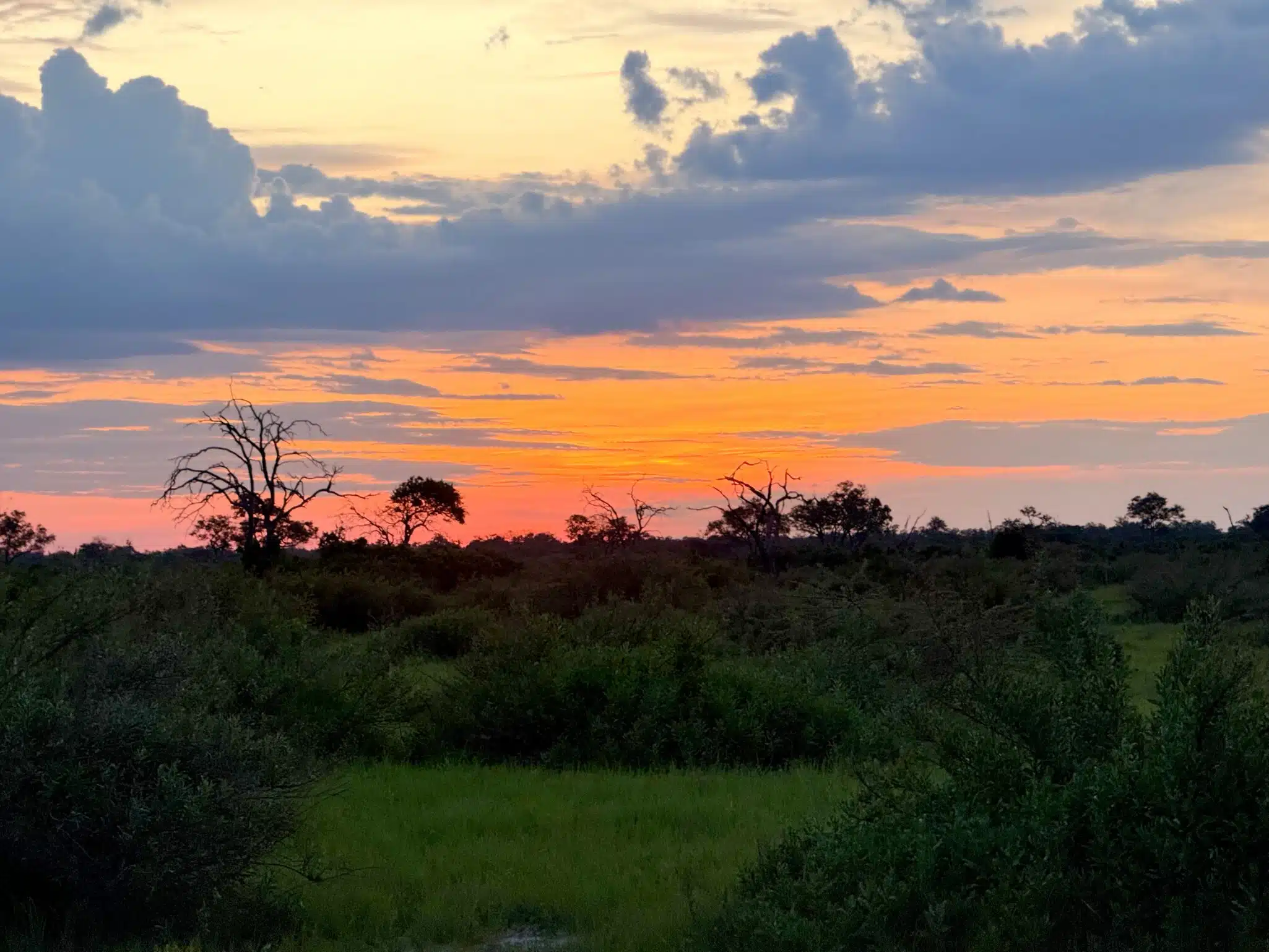
Storm clouds can build in the afternoon, creating high-contrast opportunities. It’s moody, electric, and unpredictable. Evenings are for silhouettes. As the sun sinks, cranes cross in formation, and the floodplain turns an amazing tone of copper. Bird Photographers should use their long lenses for shape and atmosphere.
Some camps offer diversity. Others offer density. Lebala offers clarity. It’s not a forest hide experience. It’s a big-sky, big-subject environment where anticipation matters as much as your photography equipment.
Owen visited Kwando Lebala in December 2025.
Birds found here
-
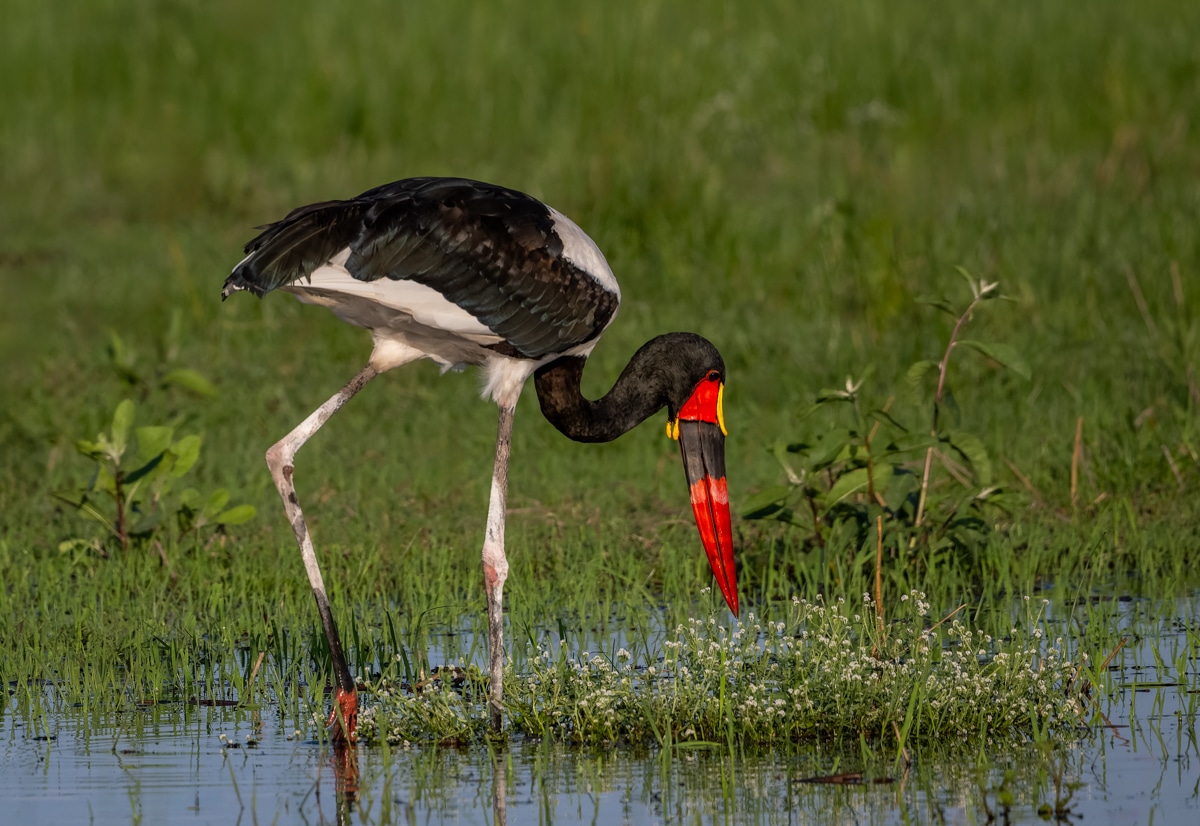
Saddle-billed Stork
Order
ciconiiformesFamily
ciconiidaeGenus (Similar Species)
Scientific Name
Ephippiorhynchus senegalensis
-
Conservation Status
Least Concern
Gender
Male
Age
Adult
-
Visual Category
Long-legged Waders -
Birding Sites and Lodges
Kwando Lebala - Botswana -
Activity
feeding
Saddle-billed Stork -
-
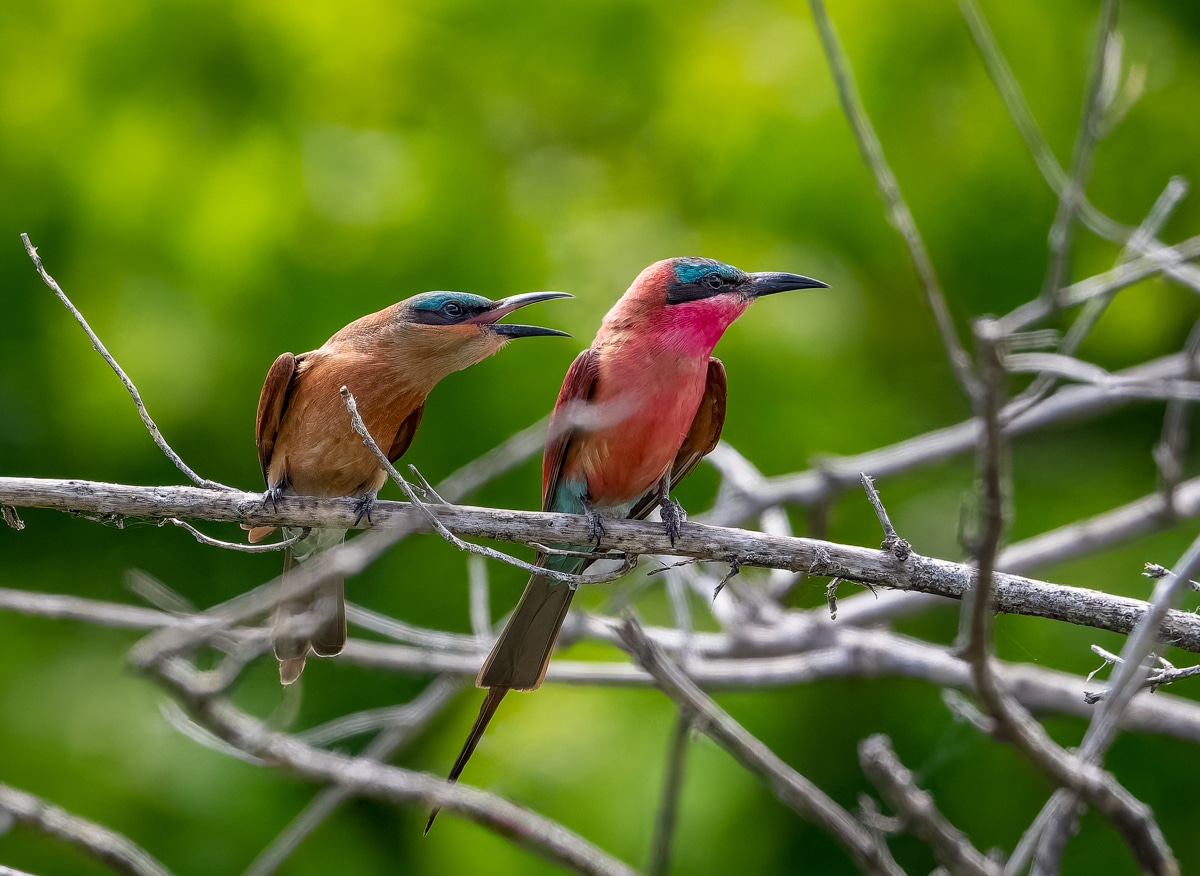
Southern Carmine Bee-eater
Order
coraciiformesFamily
meropidaeGenus (Similar Species)
Scientific Name
Merops nubicoides
-
Conservation Status
Least Concern
Age
Immature Left | Adult Right
-
Visual Category
Passerine (Perching) Birds -
Birding Sites and Lodges
Kwando Lebala - Botswana
BIRD CALLS
 Southern Carmine Bee-eater
-
-
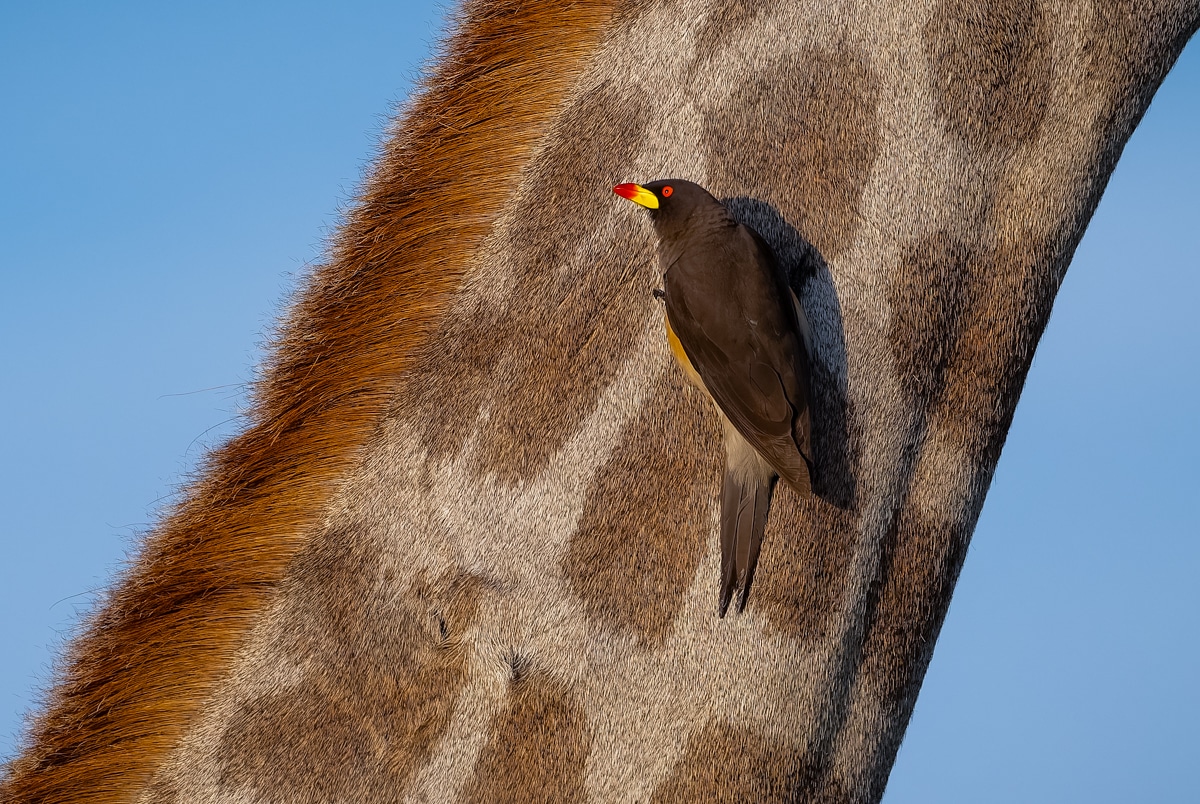
Red-billed Oxpecker
Order
passeriformesFamily
buphagidaeGenus (Similar Species)
Scientific Name
Buphagus erythrorynchus
-
Conservation Status
Least Concern
Age
Adult
-
Visual Category
Passerine (Perching) Birds -
Birding Sites and Lodges
Kwando Lebala - Botswana
BIRD CALLS
Red-billed Oxpecker
-
-
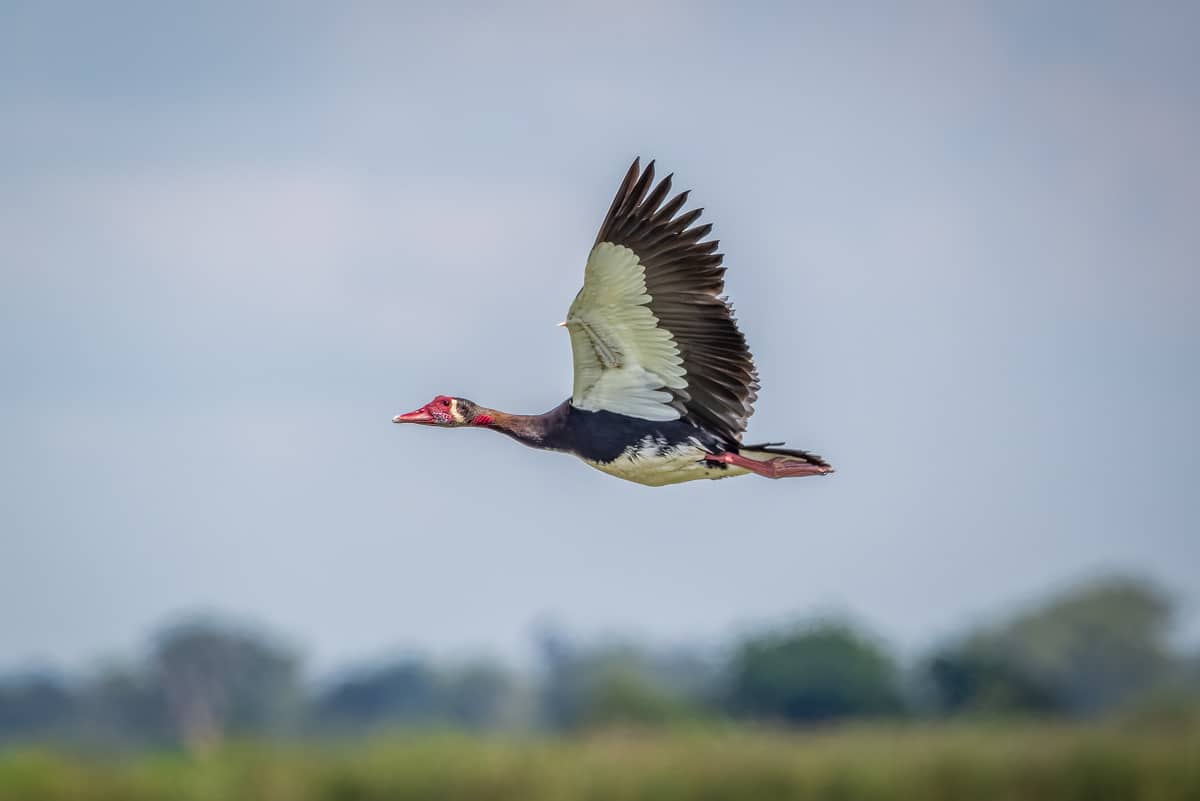
Spur-winged Goose
Order
anseriformesFamily
anatidaeGenus (Similar Species)
Scientific Name
Plectropterus gambensis
-
Conservation Status
Least Concern
Age
Adult
-
Visual Category
Swimmers -
Birding Sites and Lodges
Kwando Lebala - Botswana -
Activity
flight
BIRD CALLS
Spur-winged Goose
-
-
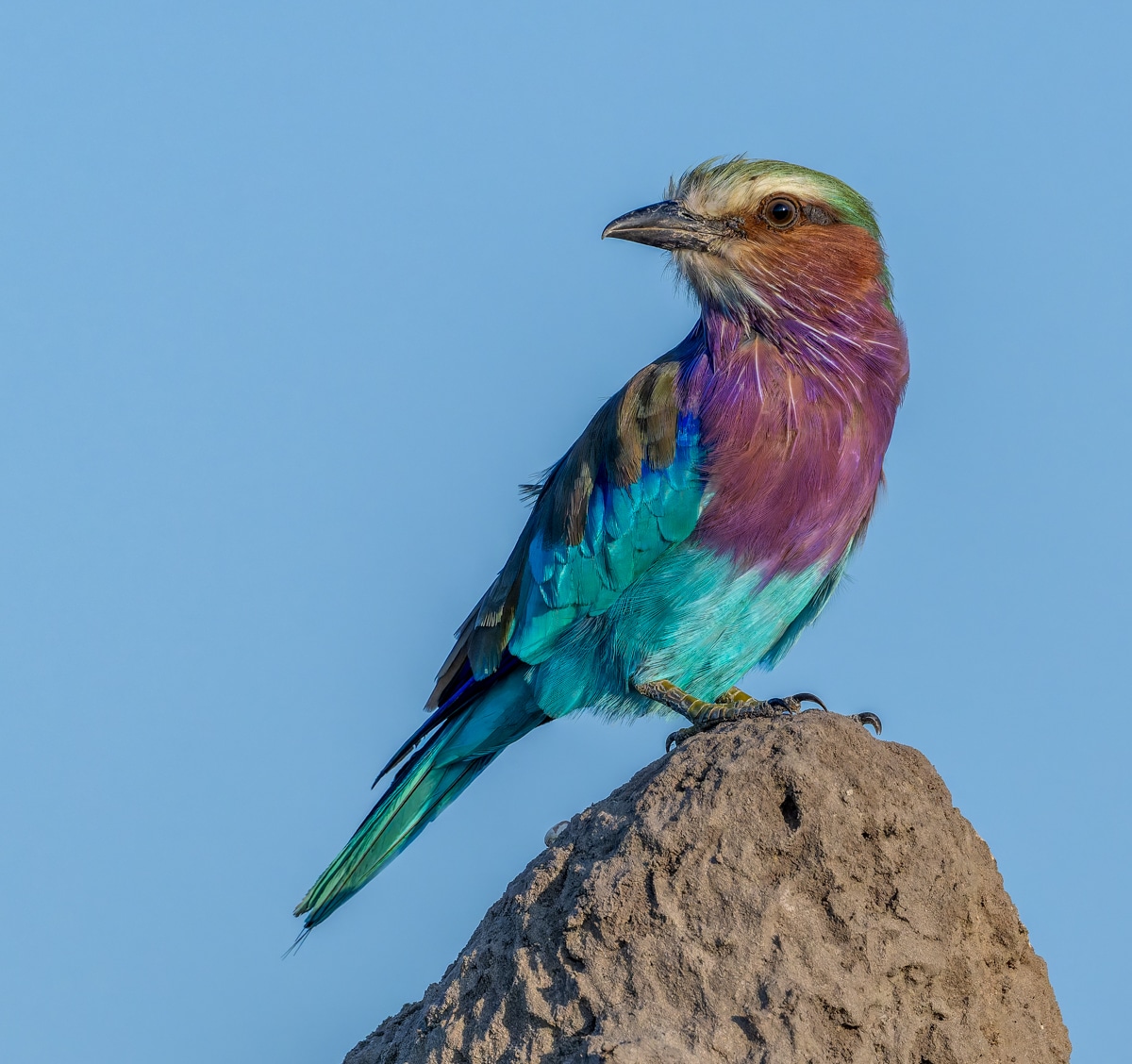
Lilac-breasted Roller
Order
coraciiformesFamily
coraciidaeGenus (Similar Species)
Scientific Name
Coracias caudatus
-
Conservation Status
Least Concern
Age
Adult
-
Visual Category
Passerine (Perching) Birds -
Birding Sites and Lodges
Kwando Lebala - Botswana
BIRD CALLS
Lilac-breasted Roller
-


